Some mornings, the first few steps tell you everything. A knee that catches on the stairs, a shoulder that complains when you reach for the top shelf, or an elbow that aches after a long shift. Wear-and-tear pain in joints and tendons has a way of shrinking your day, one skipped activity at a time.
In pain management, regenerative medicine refers to non-surgical treatments designed to support the body’s natural repair processes. One regenerative option used in musculoskeletal care is platelet-rich plasma (PRP), which is prepared from your own blood. This article focuses primarily on PRP and how it may fit into non-surgical pain care.
How Does Regenerative Medicine Work?
Your blood carries platelets. Most people know them for clotting, but platelets also carry proteins and signaling molecules that support tissue repair and inflammation.
PRP takes a small amount of your own blood, concentrates those platelets, and places them where you hurt. The goal is to support the body’s normal repair response in the targeted area, not to rebuild a joint.
PRP may reduce pain and improve function in some people with symptomatic knee osteoarthritis. Research is still evolving, in part because PRP preparation methods and study designs vary.
PRP is also used for some tendon and other musculoskeletal problems, with results that depend on the condition and the patient. That is exactly why an accurate diagnosis must come first.
Types of Regenerative Medicine
Regenerative medicine can include several treatment approaches, depending on the condition and the product used. In pain management, PRP is one of the better-known options, while cellular and tissue-based therapies are a broader and more varied category.
Platelet-Rich Plasma (PRP) Therapy
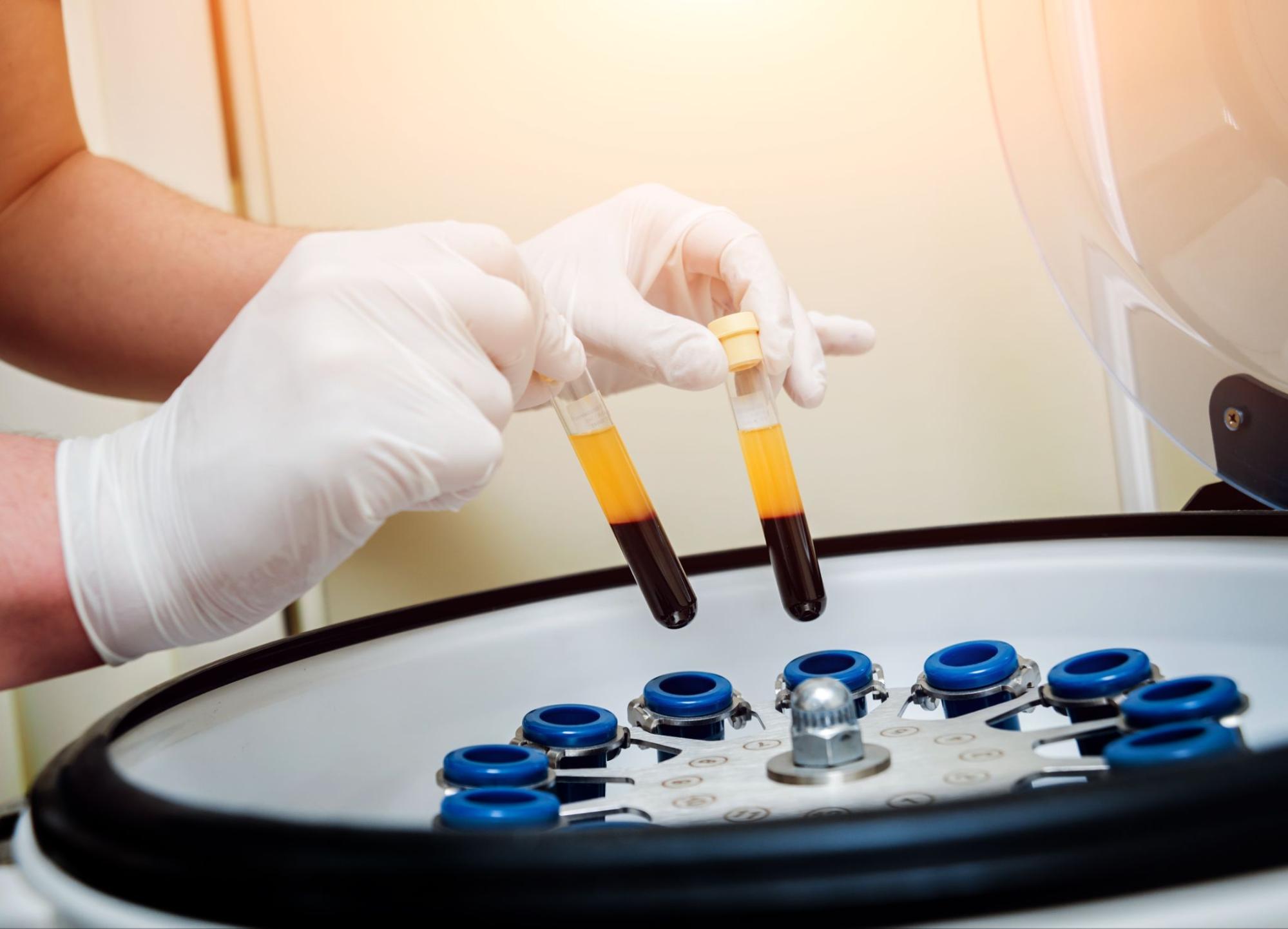
PRP starts with a blood draw, similar to a routine lab test. The sample is spun in a centrifuge to separate out a platelet-rich portion. From there, your doctor injects the concentrate into the sore joint or tendon, using imaging to guide placement when needed. Most of this happens in the office, and you are usually free to head home soon after.
Cellular/Tissue-Based Therapies
Regenerative medicine is a broad field that also includes cellular and tissue-based products. These vary widely, and their FDA approval status and supporting evidence depend on the specific product and how it is used. Your doctor can explain whether any of them belong in your care.
Non-Surgical Care at Central Pain & Spine
Dr. Saad Riaz and
Dr. Donghwan (David) Lee both have experience with regenerative medicine and take a diagnosis-first approach to care. Your first visit focuses on identifying what is driving your pain and determining which treatments fit your diagnosis.
If PRP is appropriate, it may become one part of a broader plan built around
conservative treatments for arthritis and joint pain.
Schedule Your Consultation in NJ
A consultation can help you understand what is causing your pain and whether PRP or another non-surgical treatment may be appropriate. Central Pain & Spine sees patients at
two offices: East Brunswick, NJ, serving Middlesex County, and Fort Lee, NJ, serving Bergen County.
Request an appointment so our team can review your history, examine the painful joint or tendon, and tell you whether regenerative medicine or another non-surgical option makes sense for you.